High-quality PCB solutions designed for innovation and reliability across industries
- All
- PCB Fabrication (Rigid)
- PCB Fabrication (Flex)
- PCB Assembly
- PCB Layout & Design
- PCB Stencil

PCB Trace Width and Clearance Rules Explained
Two of the most basic PCB layout decisions are how wide a trace should be and how far it should sit from its neighbors. They look like simple design-rule entries, but they affect whether a board runs cool, survives high voltage, can be built at a sensible cost, and works at high speed. This guide covers the theory, the standard-based formulas, worked examples, and a checklist. Where a number comes from a specific standard, we say so. Where something is a rule of thumb, we label it that way.
Process / Activity
Rigid PCB Fabrication is the process of manufacturing non-flexible printed circuit boards—the kind you’ll find in computers, TVs, and most electronics. These boards are made from solid materials (usually fiberglass-based) and don’t bend.
Production process / Manufacturing step
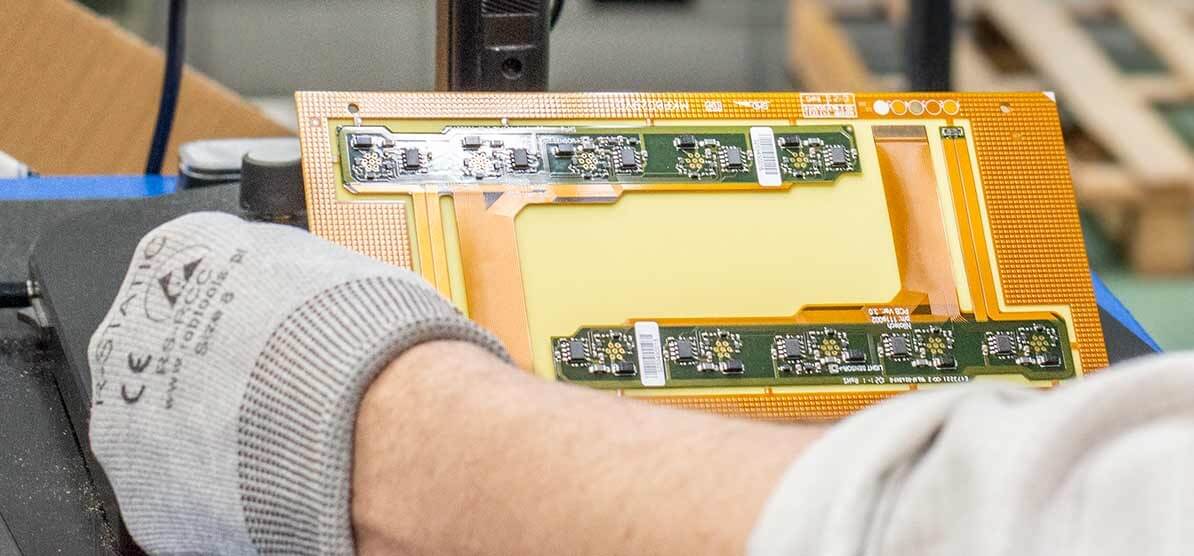
PCB Assembly (Rigid) is the next stage after fabrication—it’s where the electronic components are mounted onto a rigid PCB to make it a working circuit.
Process / Activity
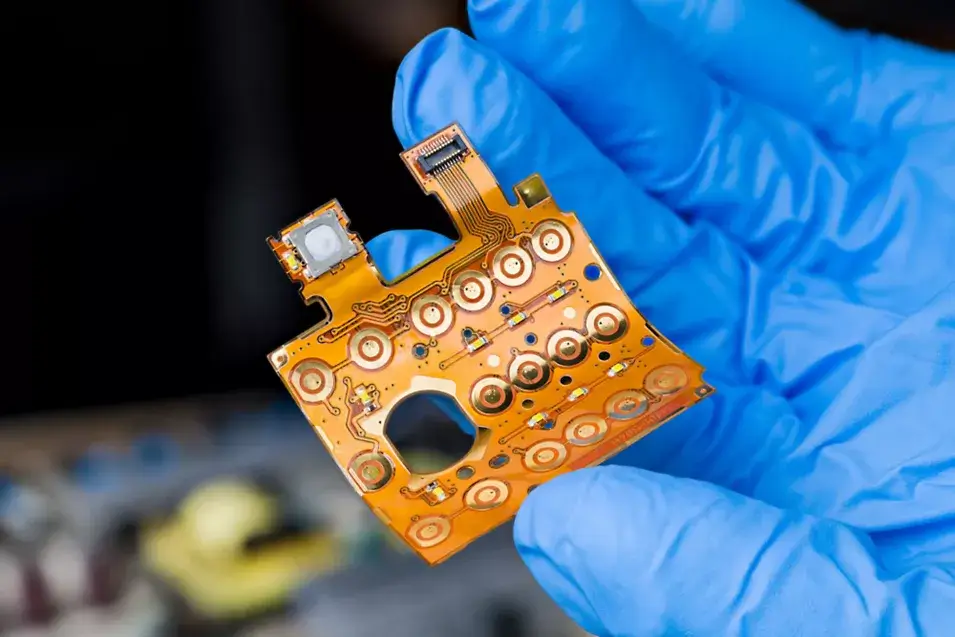
Flexible PCB (Flex PCB) fabrication is the process of manufacturing bendable printed circuit boards using flexible materials instead of rigid ones.

Design/Engineering process
PCB Layout & Design is the process of planning and drawing the physical arrangement of an electronic circuit on a printed circuit board (PCB).

Production Resources
High-quality PCB solutions designed for innovation and reliability across industries
No results found
Try a different search term or category.